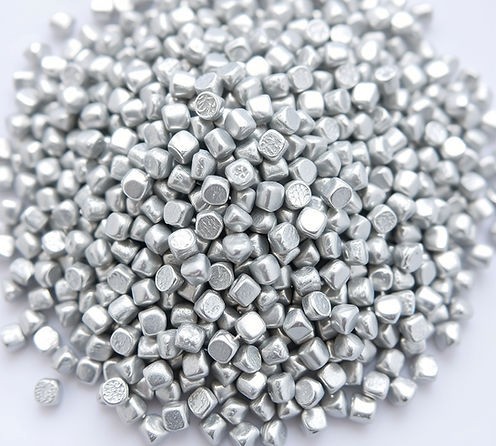
In thin film deposition projects, it is often crucial for the material to have certain technical and physical specifications. It is more than simply picking a metal or ceramic from a list of products, then. So ordering the right material is more than picking a familiar metal or ceramic from a list of products, then. When ordering, purity, composition, size, deposition method, equipment compatibility and application requirements should be taken into account. A clear specification in the beginning can minimize sourcing issues and help engineers, procurement and manufacturers compare the options of appropriate materials.
Define the Deposition Application First
The purpose of the purchase should influence the purchase process from the outset. The applications of thin films are electrical, optical, protective, decorative, magnetic or other functional applications.
Different materials and deposition techniques might be needed for each application. Buyers should have an understanding of what the deposited layer should do before contacting a supplier and which substrate it should be deposited onto.
This fundamental data can be used to limit the number of materials to consider and avoid comparing products that are not used for the same purpose.
Confirm the Deposition Method
There are different material requirements for different thin film processes. The materials can be used in various physical forms and configurations in sputtering, evaporation and other deposition techniques.
As a buyer, it is important to give information about the deposition equipment and process, if possible, when Order thin film deposition materials. This can range from the deposition method, target or source size, operating conditions and the anticipated production quantity.
It is essential that the material is matched to the process, as a technically appropriate material may not be appropriate for a specific piece of equipment.
Check Purity and Chemical Composition
When the performance of the thin film is dependent on controlled composition, purity may be an important consideration. The properties of the deposited layer can be affected by unwanted elements, or they can have an impact on process consistency.
Before ordering, buyers should check the purity grade and chemical specifications available. If using alloy materials, it is also necessary to confirm the composition of the material precisely and not just by using a general material name.
If projects have specific engineering or quality requirements, material certificates or other technical documentation may be helpful.
Review Physical Dimensions
Another factor to consider when buying the material is its physical shape. Materials may have to meet certain requirements on diameter, thickness, length, shape or mounting configuration, depending on the deposition system.
A customer seeking to purchase the Shop Permanent Magnet Materials for one application may well have different dimensional requirements than a customer who is sourcing these materials for another application.
Accurate drawings or equipment specifications can help suppliers ensure that they are able to deliver the right equipment and minimize the chance of delivering equipment that is not suitable for the system.
Consider Material Consistency
Where a project is to be repeated with deposition cycles, the materials used must be of a consistent quality. The changes in composition, density, dimensions or other properties can have the potential to impact process behavior.
When buying for production applications, it is important to ensure that the supplier is able to supply the material consistently over successive orders. Documentation for batches can also be easier to do with quality checks.
This is particularly beneficial if a process is already optimized and engineers are looking for replacement materials that will behave in a predictable manner.
Ask About Custom Requirements
It is not possible to use a normal material specification in every project. Unusual dimensions, compositions or configurations may be required for research programs, specialized equipment, and production systems.
When the standard products are not suitable for the application, the buyer is advised to discuss the customization of the products before ordering. Use of clear technical drawings and complete specifications can help to decide on the feasibility of a custom solution.
Customization must always be linked to a clear requirement and not just because a product is offered in another format.
Compare the Supplier, Not Only the Price
Price is a crucial aspect of buying, but it is not the only one to consider. The overall value of an order can be affected by the quality of the materials, technical documentation, manufacturing consistency, lead time and communication.
A supplier who is well aware of the application could be of assistance in identifying possible problems prior to production. This can be more beneficial than opting for the cheapest initial quote.
In the case of repeat projects, reliability is also a factor to take into account as delays may impact production schedules.
Conclusion
To order thin film deposition materials, one must have a clear understanding of the application, deposition process, material composition, purity, dimensions, consistency and equipment requirements. It is much easier to compare suppliers if the following information is defined beforehand when requesting quotations, and it will help minimize specification errors. When materials are to be used more than once, it is also important to take into account their long-term availability. To learn more about what materials are available and what special requirements businesses may have, they can visit regmetals.com to discuss it. Ordering with care can help ensure a smoother ordering process and better project outcomes.